Monica Beeder

Research

Development economics, conflict economics and the economics of crime — with additional interests in political, behavioral and experimental economics. Her work combines field experiments, survey experiments, causal inference and geocoded conflict data.

Publications

Reproducibility and Robustness of Economics and Political Science Research

With Abel Brodeur et al.

Nature, 2026
85%of published claims were computationally reproducible
Read abstract

Science aspires to be cumulative. Reproducibility efforts strengthen science by testing the reliability of published findings, promoting self-correction, and informing policy-making. Computational reproductions, whereby independent researchers reproduce the results of published studies, are an essential diagnostic tool. However, little social science reproduction and robustness has been conducted at scale. This article reproduces original analyses and conducts robustness checks of 110 articles published in leading economics and political science journals with mandatory data and code sharing policies. More than 85 percent of published claims were computationally reproducible. In robustness checks, 72 percent of statistically significant estimates remain significant and in the same direction, and the median reproduced effect size is nearly the same as the originally published effect size.

Effects of Jobs on Ethnic Switching: Evidence from a Field Experiment in Ethiopia

With Lovise Aalen, Andreas Kotsadam and Espen Villanger

Journal of Development Studies, 2025
Read abstract

This paper studies whether formal employment can induce ethnic switching in Ethiopia. Working with 27 firms across five regions, the project randomized job offers to women and followed them over time. The findings show that formal employment substantially increases ethnic switching, suggesting that employment can reshape identity when it reduces dependence on land-based and ethnic networks. Qualitative evidence indicates that instrumental considerations, including fear during work commutes, are an important mechanism.

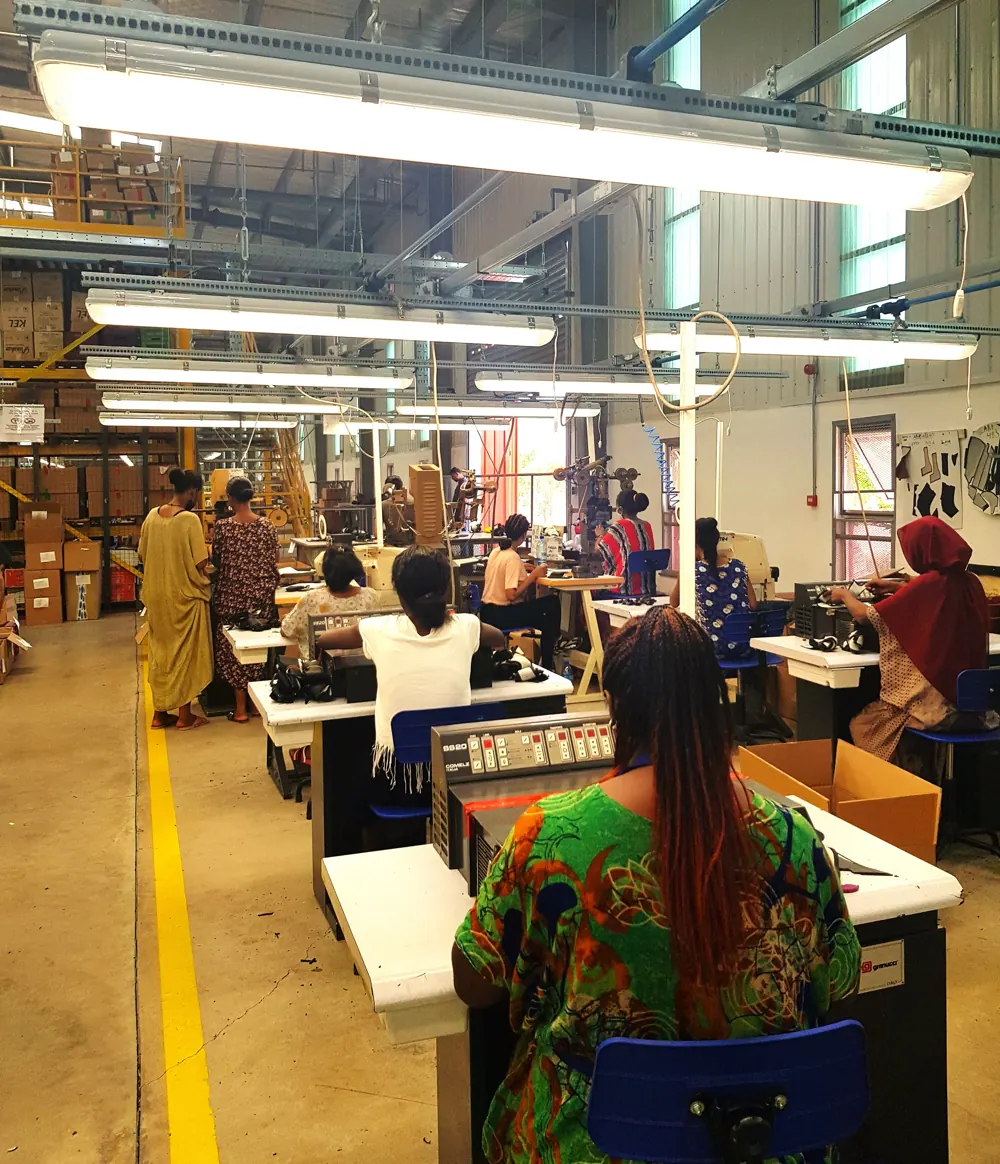
Women working at sewing stations in an Ethiopian factory
Fieldwork, Ethiopia

Working papers

Generative AI Boosts Productivity across the Expertise Ladder

With Abel Brodeur et al.

Under review, PNAS
Read abstract

Co-authored research examining how AI affects productivity across levels of human expertise.

Throwing Gasoline on the Cocaine Production: The Effect of a Supply Shock on Violence

Working paper
40–50%increase in the homicide rate
Read abstract

This paper examines whether lower input costs in cocaine production increase violence in Colombia. It exploits an exogenous supply shock in smuggled gasoline from Venezuela, an important input in cocaine production, and uses a difference-in-differences framework comparing areas with different exposure to the shock. The findings show that the shock increased coca cultivation and raised homicides by between 22 and 31 per 100,000 inhabitants, corresponding to roughly a 40 to 50 percent increase in the homicide rate. The paper highlights how price changes in one illegal market can spill over into another and intensify violence.

Close-up of coca leaves
Photo of coca leaves by the researcher

Rights and Wrongs: A Workplace Rights Information Experiment among Temporary Migrants

With Julia Teufel

Working paper
Read abstract

Temporary migrants power key industries in many countries, yet often face poor working conditions. Vulnerability to such conditions is increased by limited knowledge of workplace rights, language barriers, and, in some cases, lack of prior work experience. One common policy response is the use of information interventions aimed at increasing rights awareness and empowering migrants to seek better working conditions where choice is possible. Despite their widespread use, evidence on their effectiveness remains limited. This paper presents results from a randomized controlled trial evaluating a workplace rights information intervention in a longitudinal study of temporary migrants in Australia. The findings show that workers with limited rights awareness and little prior work experience experienced worse employment conditions. While the intervention increased participants’ perceived sense of control over workplace decisions, workplace rights knowledge increased in both treatment and control groups over time. Increased rights knowledge was associated with improved working conditions, particularly among workers with limited English proficiency and less prior work experience. However, structural constraints, including dependence on employers for visa extension requirements, may limit the extent to which information alone can improve outcomes.

Interpersonal and Ethnic Bias in Ethiopia

Revise and resubmit, Journal of Development Studies
Read abstract

This project studies how women and their partners in Ethiopia discriminate on the basis of ethnicity. Using two randomized vignette experiments conducted with 1,200 women and their husbands or partners across five regions, the paper examines ethnic bias toward both politicians and ordinary villagers. The results show substantial ethnic bias against politicians from other ethnic groups. By contrast, the women do not display ethnic bias against a local villager, whereas their partners do. The paper contributes to the literature by showing that ethnic discrimination varies by context and that men may discriminate more strongly than women even within the same household.

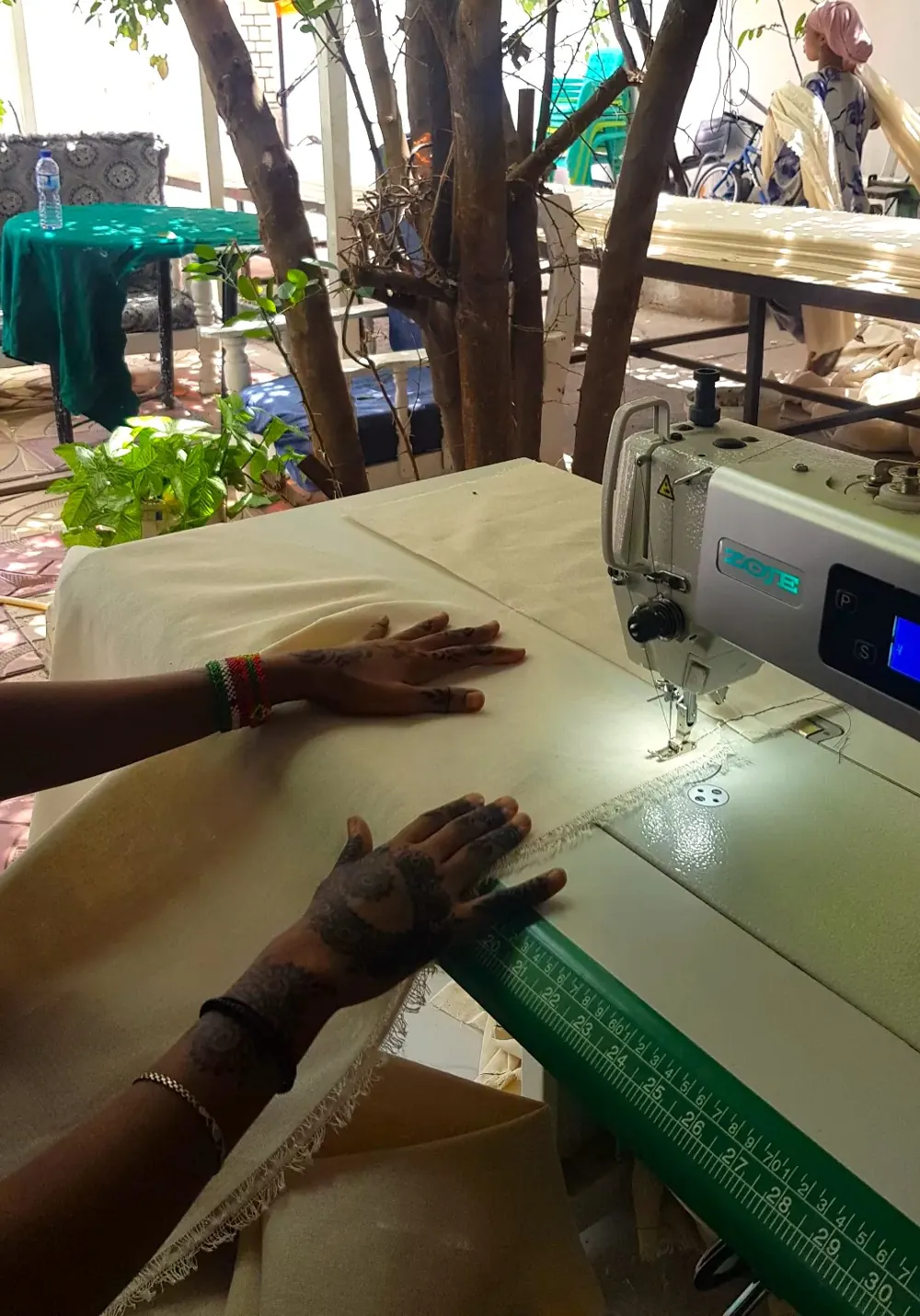
Hands guiding fabric through a sewing machine
Photo of Ethiopian workers by the researcher

Work in progress

Military Drones and Radicalization in an African Context

Read abstract

This paper studies whether drone strikes affect civilian attitudes toward public and traditional institutions. Combining geocoded Afrobarometer data with the Armed Conflict Location & Event Data Project (ACLED), it uses a quasi-experimental regression discontinuity design to compare respondents living close to attacks before and after bombing events. The preliminary evidence suggests that strikes can reduce trust and alter perceived threat from terror organizations, although the analysis remains constrained by limited data near attacks in both space and time.

Justification of Exploitation

With Hannes Rusch and Julia Teufel, Max Planck Institute for the Study of Crime, Security and Law